
Hi-Fi vs Lo-Fi Creator Content: Why Performance Is So Mixed, What Brands Should Do
Having spent years managing content within the creator space, we’ve learned one thing above all: hi-fi vs lo-fi isn’t about “better” or “worse.” Polished content wins in some scenarios, raw content in others. The real skill is knowing when and why to use each.
What “Hi-Fi” and “Lo-Fi” Creator Content Actually Mean
Hi-Fi (Polished)
|
Lo-Fi (Raw Authentic)
|
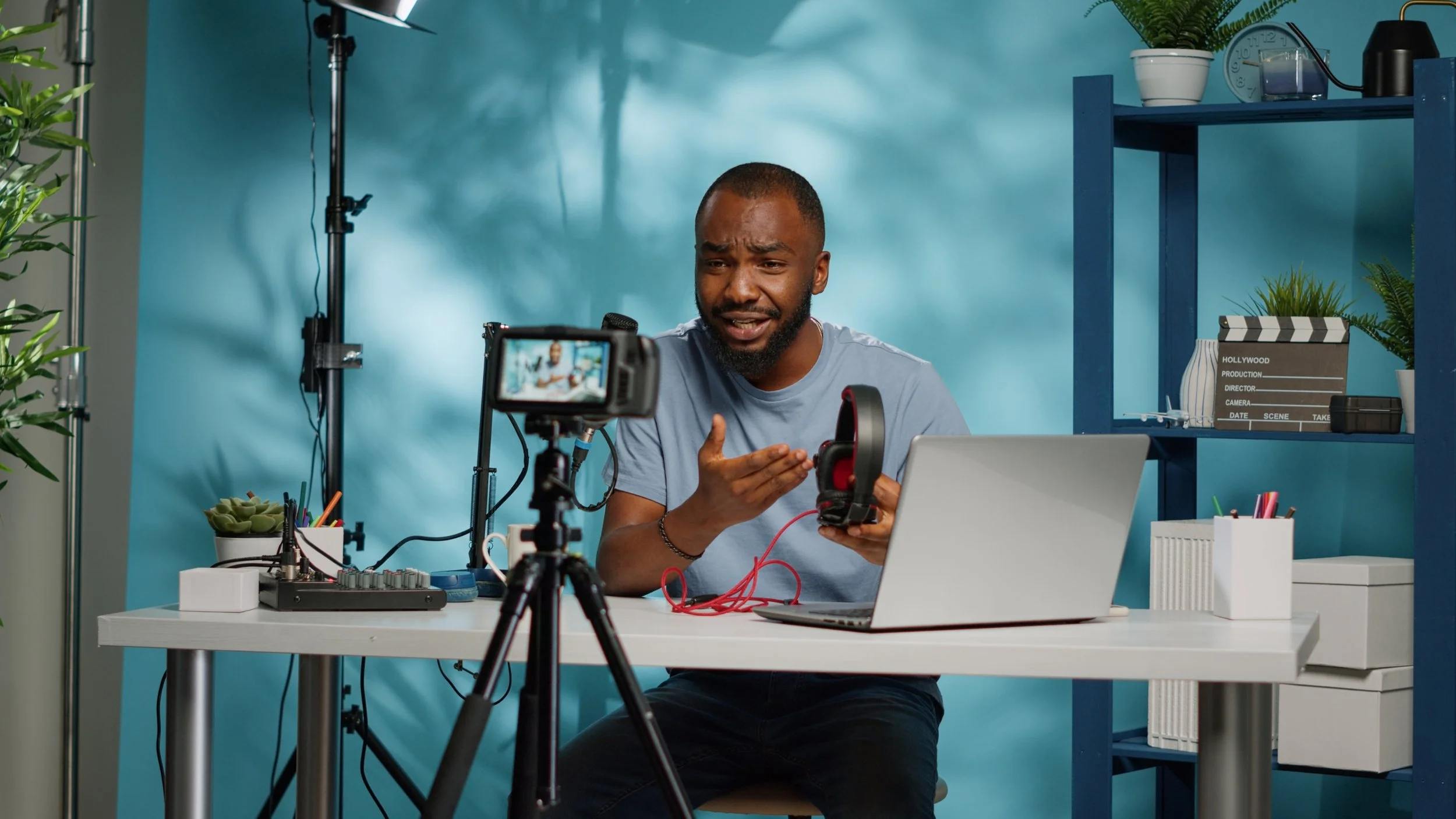
Why Lo-Fi Works
Feels Human
Lo-fi content wins because it looks native, unpolished, and real. Think of it like a friend recommending a product rather than a commercial. In our campaigns, we’ve seen this type of content consistently outperform in watch-through rates, comment quality, and click intent.
Native Platform Advantage
Platforms built around spontaneous behavior (TikTok, Instagram Reels) reward content that blends in with the feed. The more a post feels like user-generated content, the more the algorithm boosts it.
Lower Cost, Faster Testing
Casual content is quick and cheap to produce. That means brands can test multiple hooks in one campaign, iterate fast based on real-time performance, and amplify winning variations into broader campaigns
We often see that the “hero moment” of a lo-fi creator clip can later be used in higher-production formats or paid placements, effectively stretching content ROI.
When Hi-Fi Still Wins
Despite lo-fi hype, polished content remains critical in certain scenarios.
Complex or Premium Products
If a product requires explanation, differentiation, or visual emphasis, hi-fi content shines. Think: skincare routines, home appliances or furniture, automotive accessories, luxury goods.
We’ve seen that visually rich, well-produced clips often drive higher comprehension and consideration for high-ticket items.
Longevity in Paid Media
Hi-Fi content tends to last longer in paid campaigns. It aligns with brand guidelines, communicates messages clearly, and can serve as evergreen creative.
Brand-Owned Channels
Website, PDPs, email, or other owned channels often require professional production to maintain consistency. A lo-fi TikTok clip simply won’t translate the same way on a brand page.
The Performance Is Mixed
Even with these trends, performance is never absolute. From our experience, results usually depend on a combination of factors:
Platform Dynamics
TikTok: Lo-fi has a clear advantage
Instagram: Mixed, depends on feed vs Stories vs Reels
YouTube: Hi-fi often performs better for evergreen content
Audience Intent
Entertainment-first scrolling= lo-fi wins
Intent-driven search= hi-fi can outperform
Brand Category
High-consideration products= hi-fi
Impulse-buy, lifestyle, or snackable content= lo-fi
Format Matching
Forcing a lo-fi creator into a highly scripted hi-fi concept usually underperforms
Hi-fi creators forced into casual styles can feel inauthentic
Story Quality > Production Quality
At the end of the day, a boring story fails regardless of production quality. A compelling, clever, or emotionally resonant story can thrive whether it’s hi-fi or lo-fi. Production quality mostly amplifies what’s already working.
What Brands Should Do
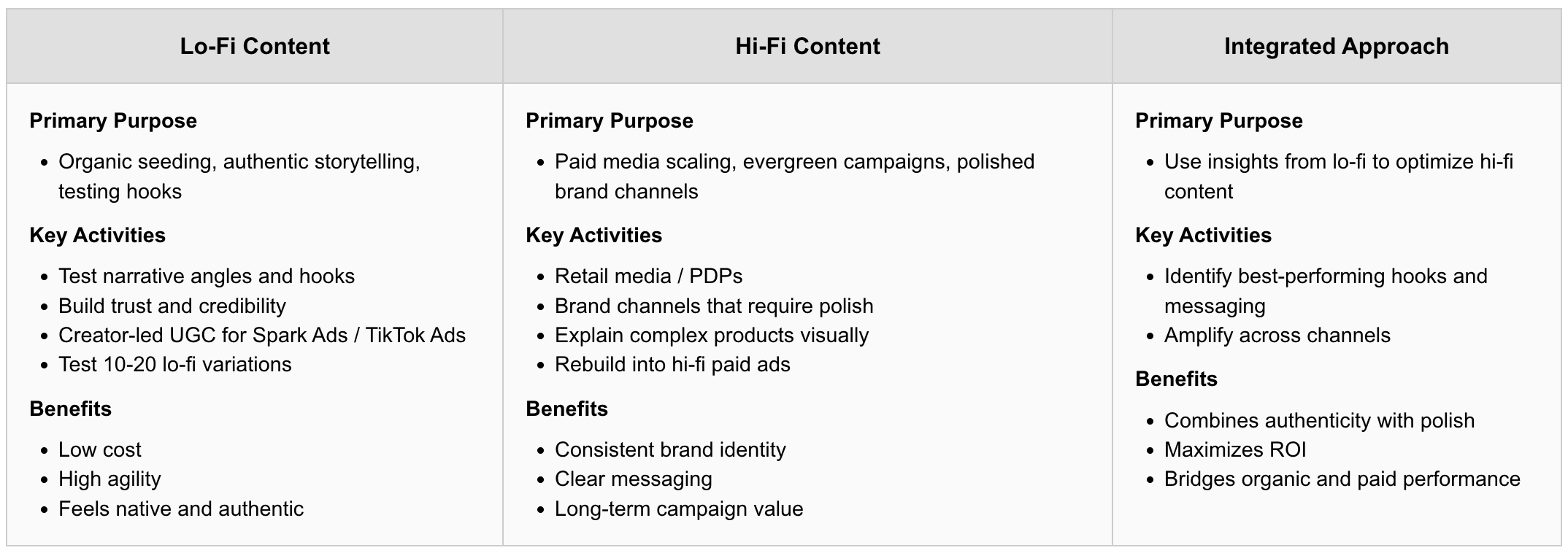
In the highest-performing campaigns, brands usually follow a dual-track creative strategy.
Make it stand out
Whatever it is, the way you tell your story online can make all the difference.
When brands connect the two, their creatives become both human and high-performing.