
Niche Communities, Co-Friendly Influencers for Sustainable Marketing

Sustainability is no longer a buzzword. Today’s audiences aren’t convinced by big slogans or polished ad campaigns. They look for proof, credibility, and real people living the values they talk about.
This is where niche communities and co-friendly influencers (creators who genuinely practice conscious consumption, low-waste living, environmental advocacy) are rewriting the rules of brand trust. Rather than speaking to everyone, these voices speak deeply to the right people, and the impact is powerful.
Niche Communities- a Powerful influence in Sustainability
A massive audience might like a post about sustainability, but a niche community will actually do something about it. You see this play out in all sorts of corners on the internet, like:
Zero-waste communities
Slow fashion and upcycling communities
Plant-based living
Local farming and regenerative lifestyle groups
Climate-action micro-communities
The true influence of an eco-creator should be measured in the depth of their community bonds, in addition to their follower counts. Because these creators live their values out loud, their followers see their recommendations as insider tips from a trusted peer instead of ads.
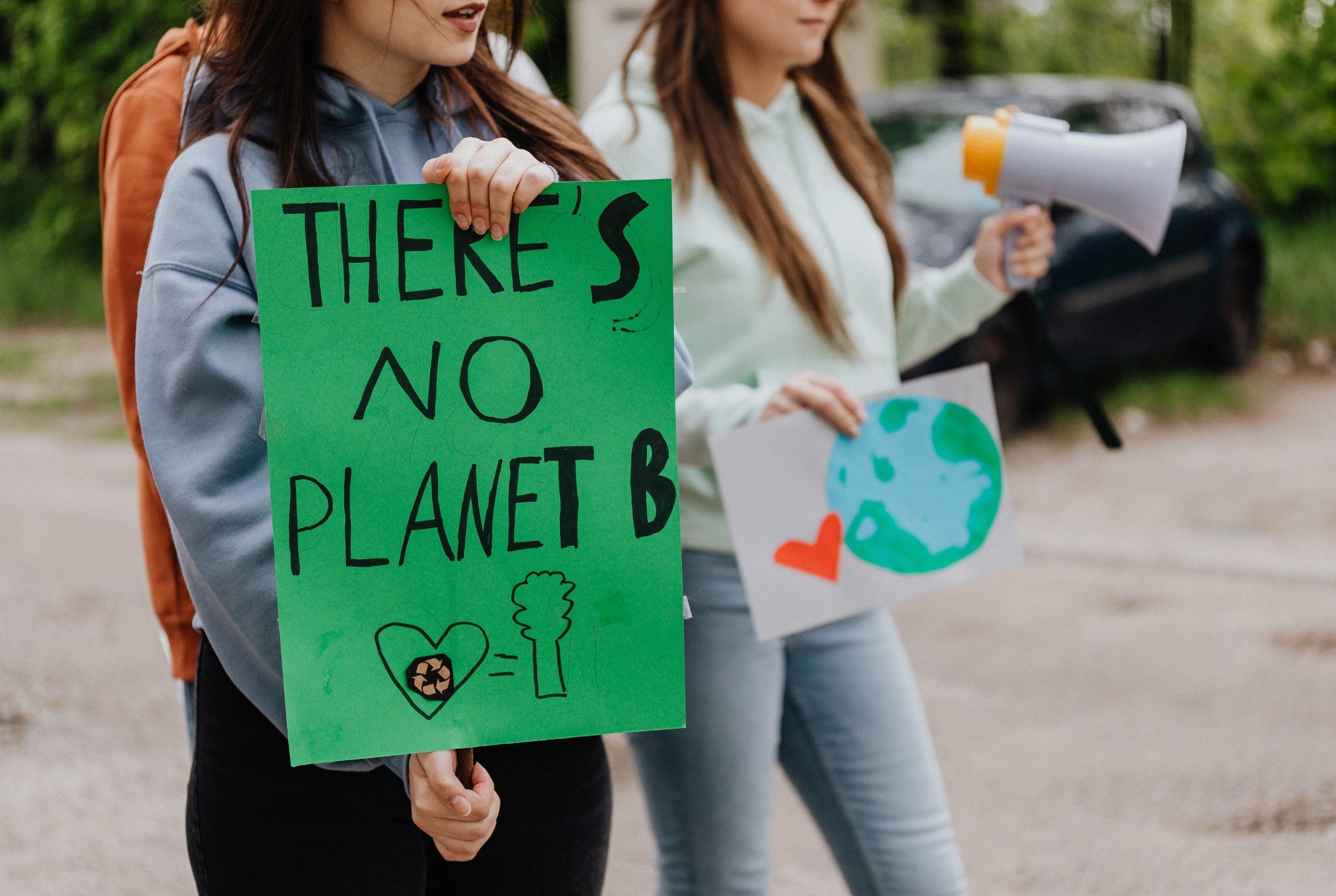
Co-Friendly Influencers
Co-friendly influencers refers to creators who prioritize local and sustainable purchasing, low-waste lifestyles, ethical sourcing, thrifting, repairing, reusing, eco-conscious product swaps.
Unlike typical lifestyle creators, co-friendly influencers build content around values, and that difference shapes how their audience responds.
How to Partner With Co-Friendly Creators Authentically
We’ve all seen it: an influencer holding a sustainable product in a room full of fast-fashion hauls. It feels off, doesn’t it? In the world of sustainability, the audience has a high-functioning "greenwashing" radar. If you want to build a partnership that actually resonates, you have to move past the transactional and get intentional. Here’s how to build partnerships that feel real.
1. Look for the "Walk the Talk" Factor
Before you even look at a creator's follower count, look at their lifestyle. Do they actually use low-waste products when no one is paying them? Do they talk about climate issues or circularity between sponsored posts?
The best partners are those who aren't afraid to question brands openly. You want someone who has built trust by being picky. They should vet brands as much as brands vet them.
2. Focus on the "Why"
Sustainability is about the logic behind it. Instead of giving a creator a script of features, let them dive into the impact. Give them the space to talk about the raw materials, origins, longevity, etc. The explanation of a product lifecycle turns an ad into an education.
3. Play the Long Game
Nothing kills eco-credibility faster than a one-off post followed by total silence. When you commit to long-term partnerships, you allow the audience to see the product in use over months. It shows progress, repetition, and genuine integration into their life. That’s how you move from "sponsored content" to "trusted recommendation."
4. Build Community-led Campaigns
Instead of just pushing traditional ads, try use your partnership to fuel community-led initiatives like low-waste swap challenges, educational deep-dives into specific environmental issues.
5. Transparency Over Perfection
Sustainability audiences are incredibly well-informed and they don't expect you to be perfect, but they do expect you to be truthful. Avoid over-claiming. If you’re still working on your packaging or your supply chain, say that.