
Why 75% of Consumers Now Ignore Brand Campaigns
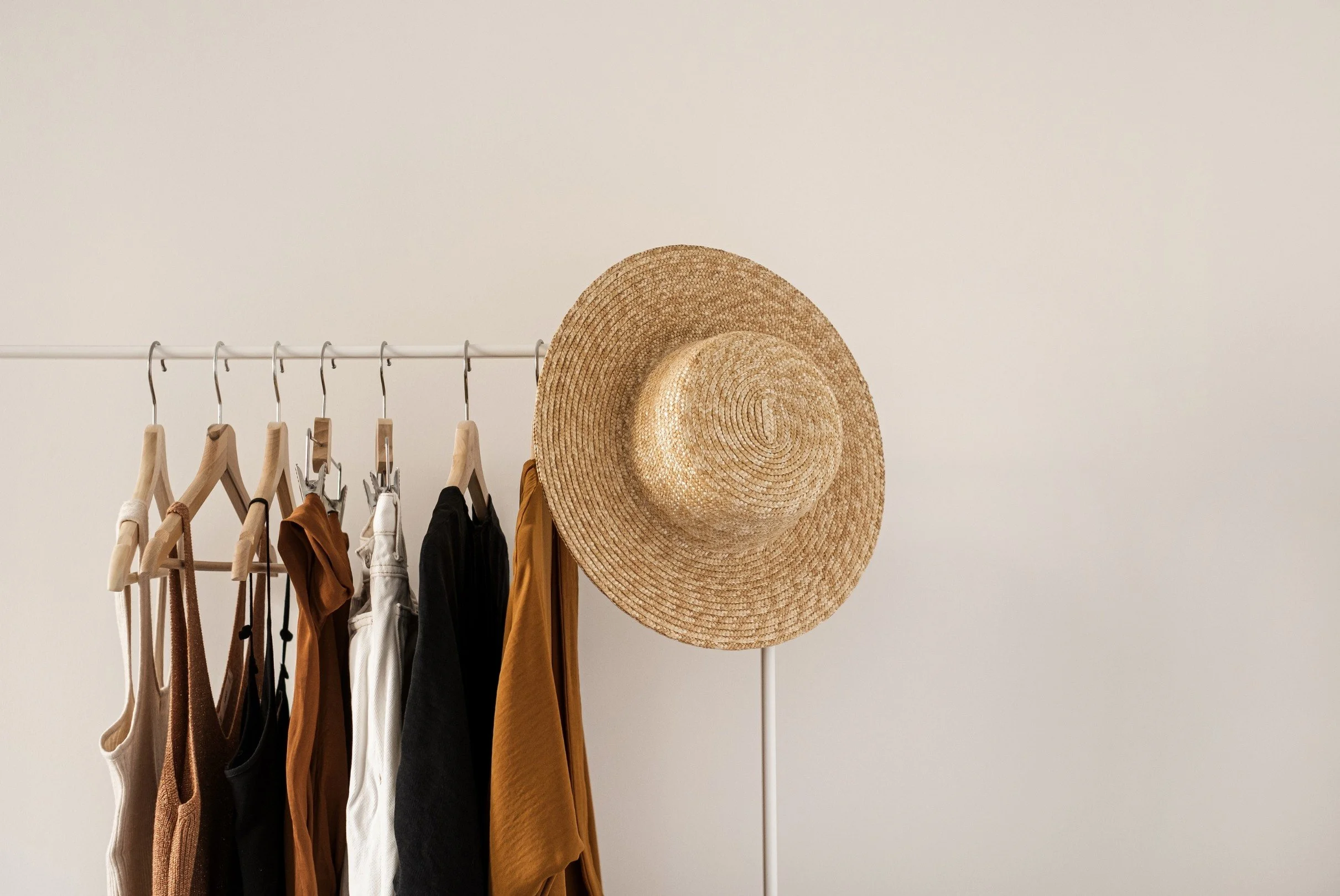
For decades, fashion & apparel relied on aspirational, highly polished editorial content. But in 2026, that glossy façade is crumbling. Consumers now demand authentic, real-life context in their style inspiration. This is where influencer marketing fundamentally reshapes the landscape.
The demand for authentic styling has pivoted marketing toward content creators. In fact, over 75% of fashion consumers in 2026 report being more influenced by user-generated style content than by traditional brand campaigns. [1]
Based on what we’ve seen, the content creator's value is very crucial for making style accessible, demonstrating versatility, and driving immediate social commerce.
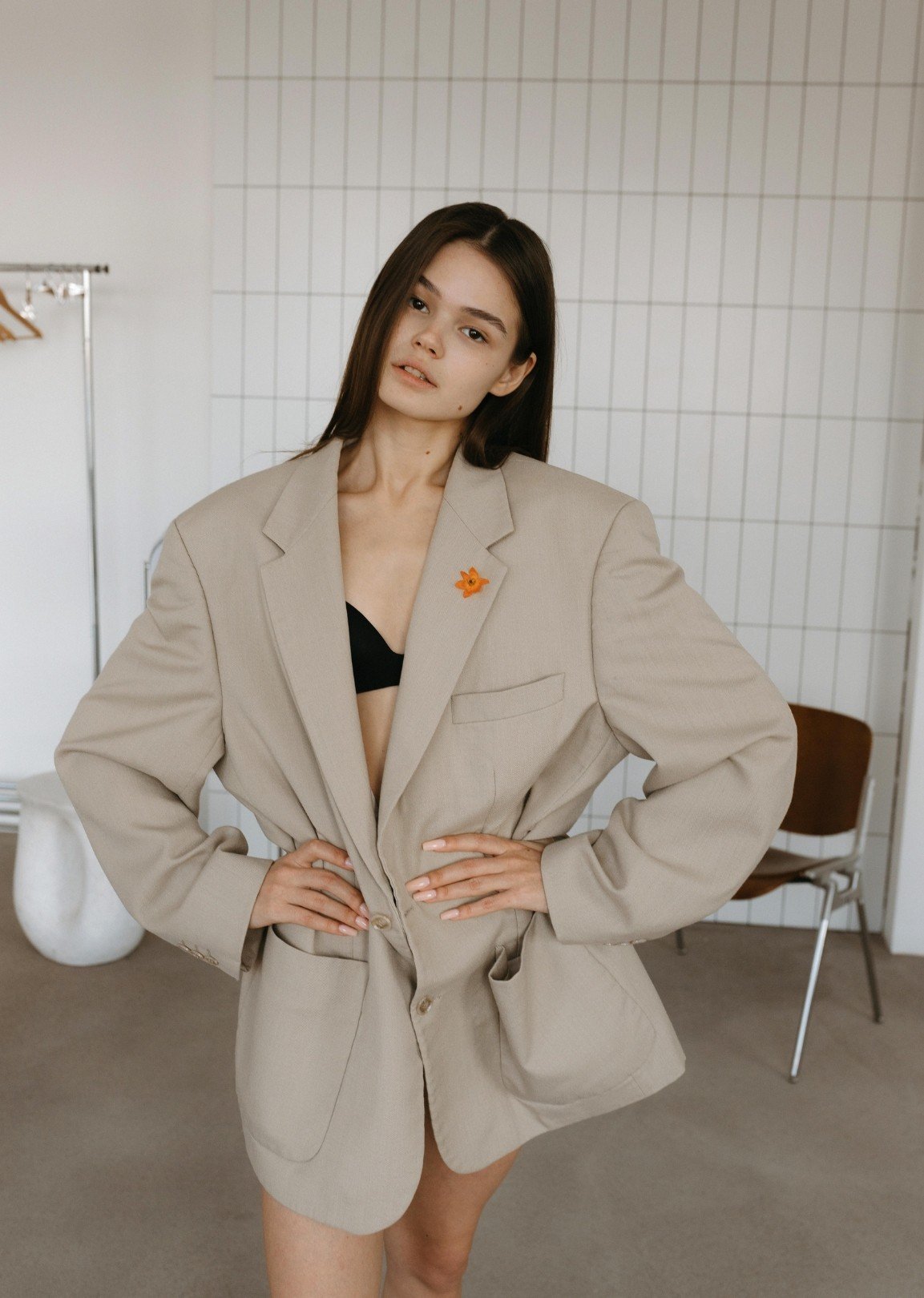
The Rise of Relatability
The fashion industry has long been built on aspiration, selling a dream lifestyle alongside garments. However, the digital native generation views hyper-polished, unrealistic imagery with deep skepticism.
The problem is fundamental. A model strutting down a runway or posing in a high-concept studio shoot provides zero context for how that garment fits into an actual, imperfect life. Questions like these are not answered:
How does this actually look on a non-supermodel body?
Can I realistically wear this to work, then dinner?
Does it wrinkle easily? Is the fabric comfortable for everyday?
Content creators provide the missing context. They wear outfits in their everyday lives, showcasing how garments move, drape, and integrate into diverse personal styles.
From Lookbook to GRWM
The most effective marketing content in 2026 fashion isn’t going to be the meticulously curated lookbook, instead, it will be the spontaneous, behind-the-scenes feel of a GRWM (Get Ready With Me) video or a casual OOTD. These formats thrive on "raw" styling.
The continuous, context-rich content creation delivers the actionable style proof that resonates. The creator acts as the trusted, relatable stylist, essential for moving consumers from inspiration to social commerce clicks. [2]
Social Commerce
The shift to "raw" styling is inextricably linked to the rise of social commerce. When a creator genuinely integrates an apparel item into their daily content, it creates an immediate point of purchase. Platforms like TikTok Shop and Instagram Shopping are built precisely for this instant gratification.
Consumers are not just looking for visuals, but shoppable visuals.
Visual Storytelling: Creators demonstrate fit, drape, and movement that static images cannot.
Direct Links: Embedded shopping links reduce friction between discovery and purchase.
Limited-Time Drops: Influencer-led promotions create urgency and immediate sales volume. [3]
Co-Creation and Authenticity
The future of fashion marketing is about co-creation with content creators. Brands that embrace the creator's authentic voice, even if it's less polished, are seeing stronger results. This means:
Allowing creators genuine freedom in styling.
Valuing a creator's unique perspective over strict brand guidelines.
Fostering long-term relationships for sustained, authentic visibility. [4]
This approach moves beyond mere product display to genuine endorsement through lived experience.
References
Global Fashion Insights Report: 2026 Consumer Preferences for User-Generated vs. Editorial Content.
E-commerce & Social Trends Monitor: Analyzing Conversion Pathways in Social Commerce for Fashion Brands.
Fashion Business Review: The Strategic Role of Creators in Driving Impulse Buys and Limited Drops.
Consumer Behavior Journal: Authenticity vs. Polish: What Drives Engagement in Modern Fashion Marketing.