
The Death of Traditional Ad: Real-Time Proof is the New Beauty Standard
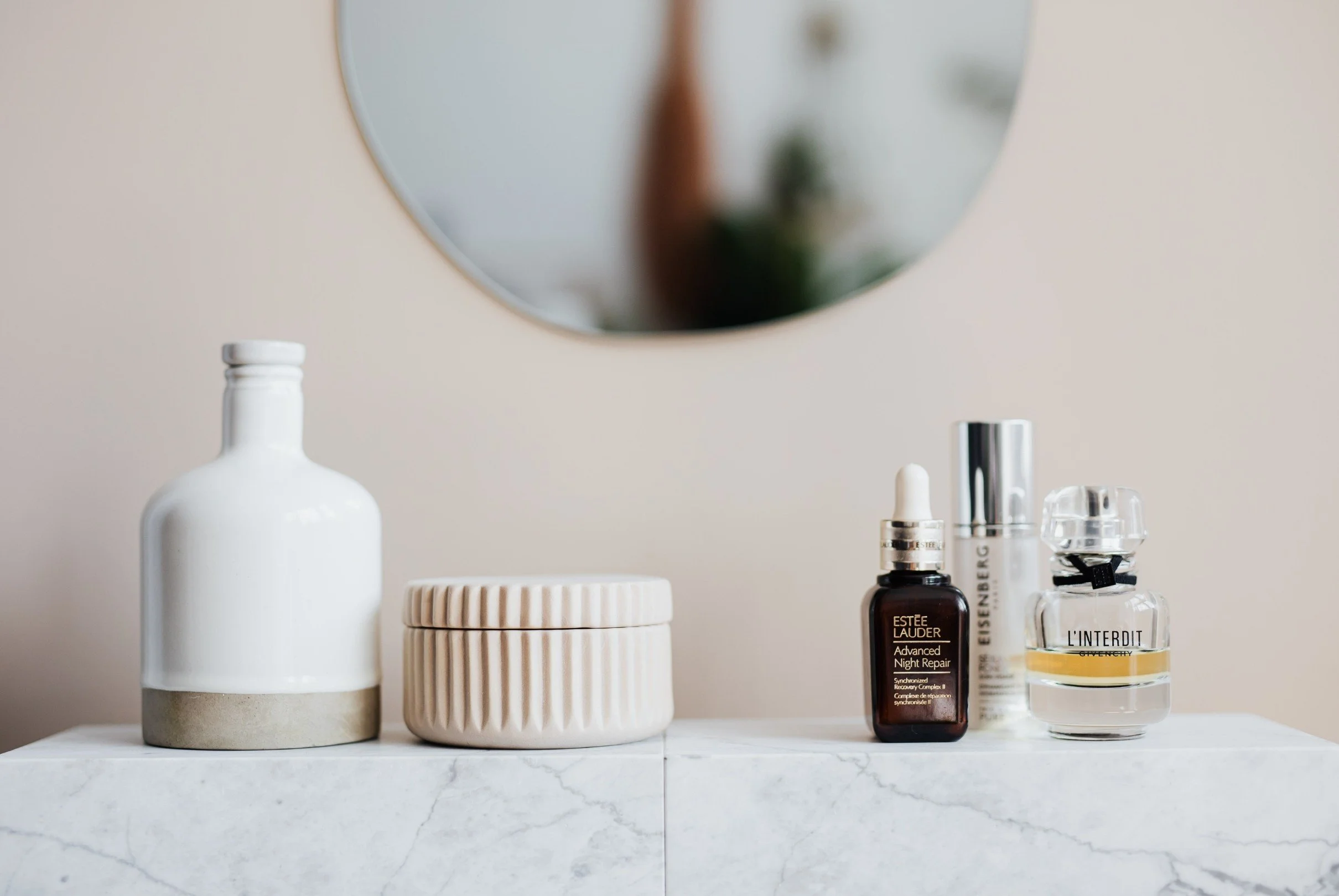
No industry demands a higher “trust tax” from the consumer than beauty & personal care, where the lack of physical testing creates maximum purchase risk. When buying a foundation, a serum, or even a new shampoo, you need to know how it feels, how it wears, and how it interacts with your specific skin type or hair color. It’s the demonstrability gap, a hurdle that traditional advertising simply cannot cross.
This is where influencer marketing steps in as the non-negotiable solution. Consumers require tangible social proof (reviews, tutorials, wear-tests) before committing to a purchase. In fact, nearly 70% of beauty consumers cite video demonstrations as highly influential in their purchase decision, a metric that dwarfs the impact of static product imagery. [1]
At Link Influence, we’ve seen that the value of the content creators in this space is not only just aesthetic but functional. The creator is the digital testing lab.
The Crisis of Digital Skepticism
For years, beauty brands relied on high-production, airbrushed campaigns that focused on aspirational. Today, that level of polish triggers consumer skepticism.
The problem is fundamental. You cannot smell a perfume, feel the texture of a matte lipstick, or verify the longevity of a moisturizer through a static image or a banner ad. Consumers are wary of claims that cannot be immediately validated. This urgency has created a dependency on real, human validation.
The Power of the Real-Time Wear-Test
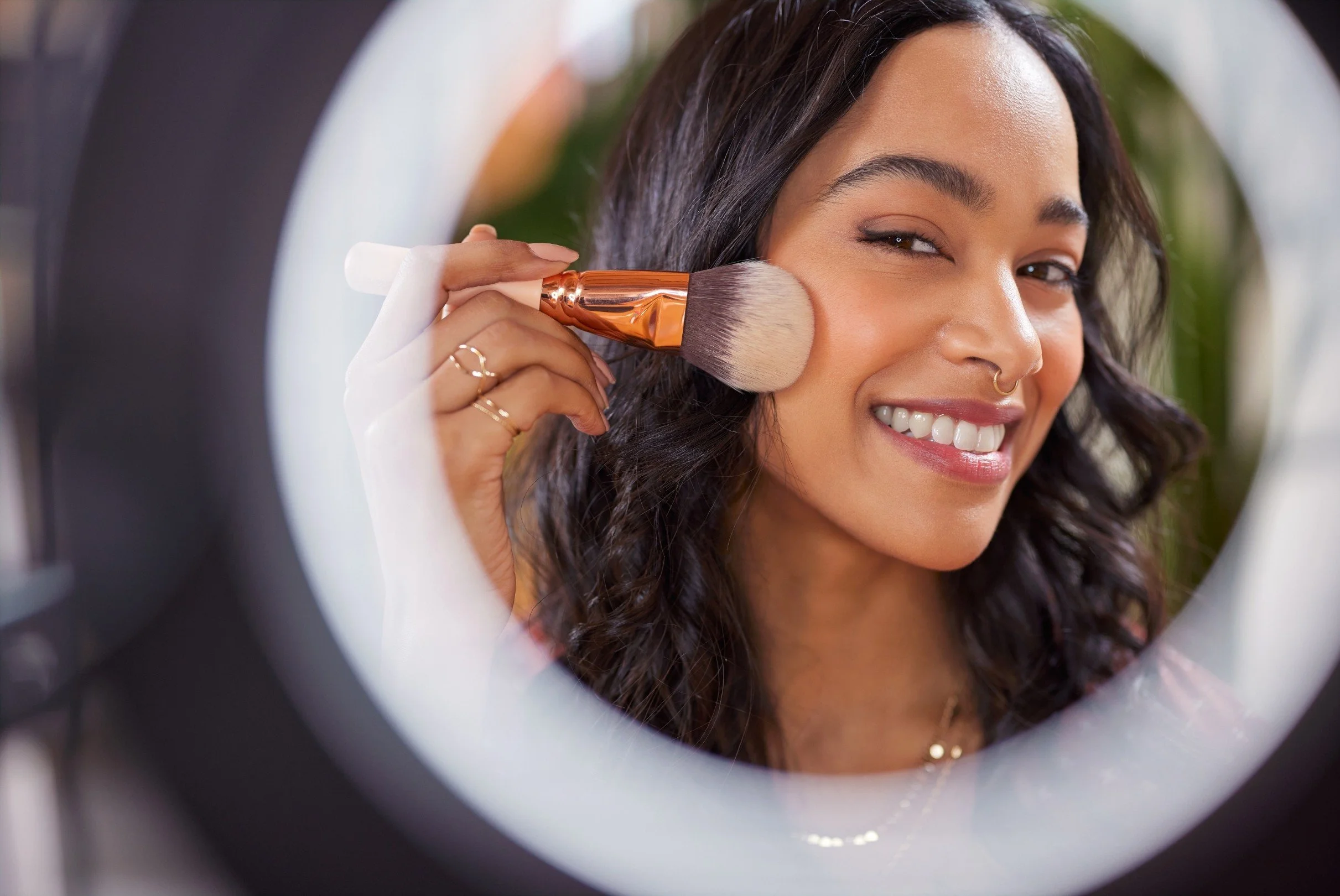
The most effective marketing content in the beauty space is the one that shows how products hold up during everyday wear. This is the real-time wear test, the ultimate form of demonstrability.
The demonstration by content creators delivers concrete, actionable proof that traditional ads cannot. Creators act as the trusted, unbiased product tester, moving the consumer from consideration to conversion. [2]
The Rise of the Micro-Expert
While celebrity endorsements still exist, the key to scaling trust is the micro-influencer and the micro-expert. Consumers require proof that a product works for their specific reality, not just a supermodel's perfect skin.
This means finding creators who specialize in specific niches: dry skin routines, dark skin tone swatches, sensitive skin solutions, or curly hair techniques. These niche content creators possess higher engagement rates and deep audience loyalty because their viewers feel represented and understood. [3]
The Link Influence Strategy: we focus on identifying creators whose niche aligns perfectly with the product's function. This targeted authenticity ensures the brand’s message is delivered by a highly credible, peer-level expert, drastically reducing purchase friction.
Maximizing Product Life and Loyalty
Influencer marketing in beauty doesn't stop once the initial purchase is made. The best creators develop content that preserves customer loyalty and maximizes product use, such as:
How to use the product to its fullest potential
Creative product hacks and alternate uses
Long-term performance reviews months after the launch
This post-purchase content is vital. By providing continuous, expert instruction, content creators extend the product lifecycle and turn one-time buyers into loyal brand advocates. This sustained engagement is the ultimate goal of a successful influencer campaign.
The Link Influence Takeaway
In beauty & personal care, real-time demonstrability is paramount. Influencer marketing fills the critical gap between brand promise and consumer confidence by providing authentic, visible, and continuous social proof. In 2026, creators are the new engine of trust, turning “seeing is believing” into an undeniable reality.
References
1. Global Retail & Beauty Insights: 2026 Consumer Skepticism and the Need for Social Proof.
2. Nielsen Media Research: Gen Z Purchase Triggers: The Dominance of Real-Time Video Reviews.
3. Cosmetic Science Review: Measuring Trust: Influencer Demonstrability vs. Traditional Advertising in Skincare.